
Classmates

At the moment, I am visiting my home country, Uzbekistan. When I am here, my schedule is usually packed.
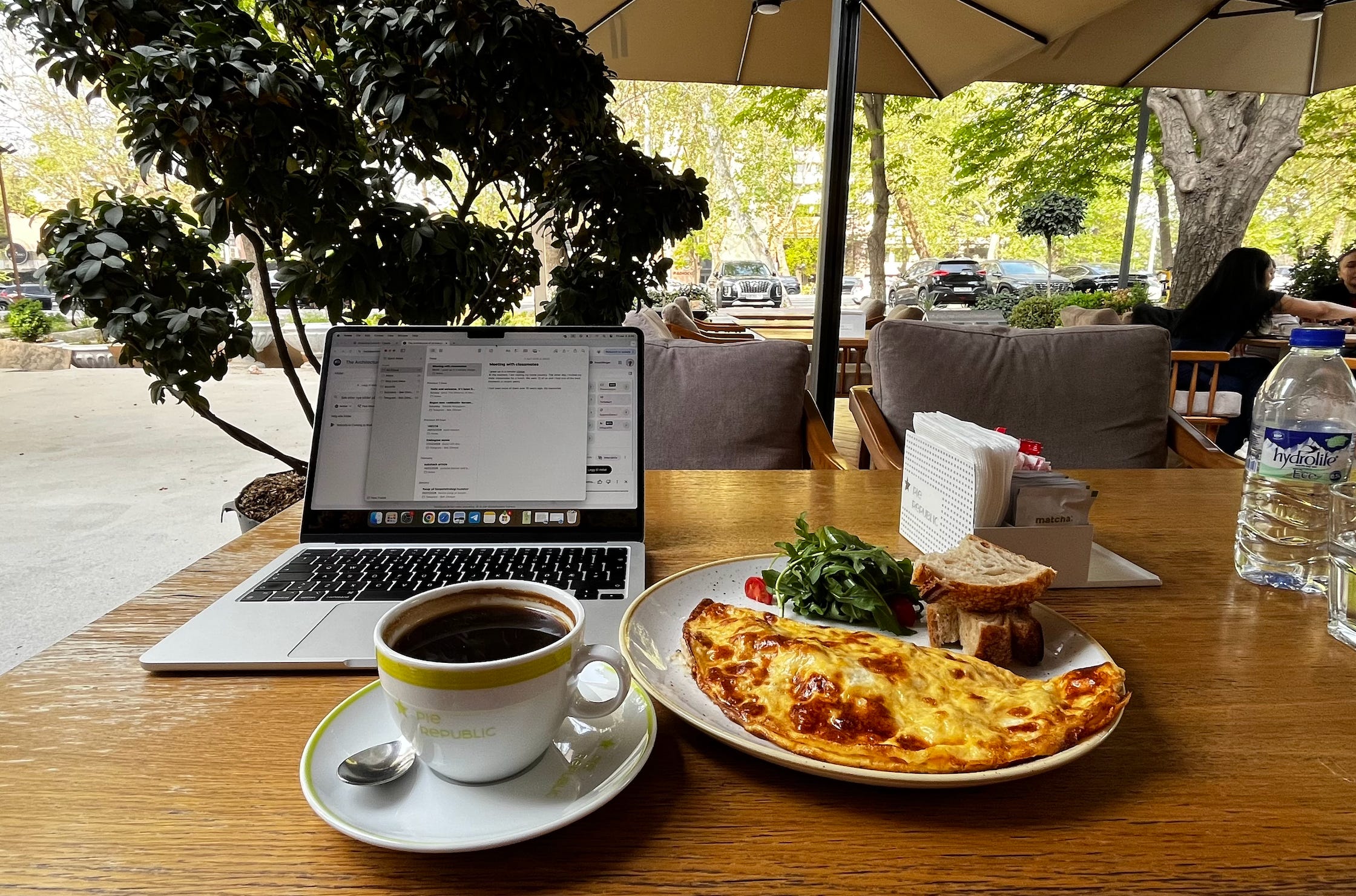
I just finished a 6 AM swim session with a very cheerful friend of mine. He went to work and I am having breakfast.
It is spring here. Sun, clear sky, early morning rush easing down.
Nothing beats a good cup of americano after a good training session. Despite only having 5 hours sleep last night, I feel energized. As I sit here, looking at passers-by, most of them are probably students, a few young couples have passed by.
Many years ago, I used to be one of them. I used to walk by the exact same street many times, most of them with my wife. We were dating and then as a newly wed couple.
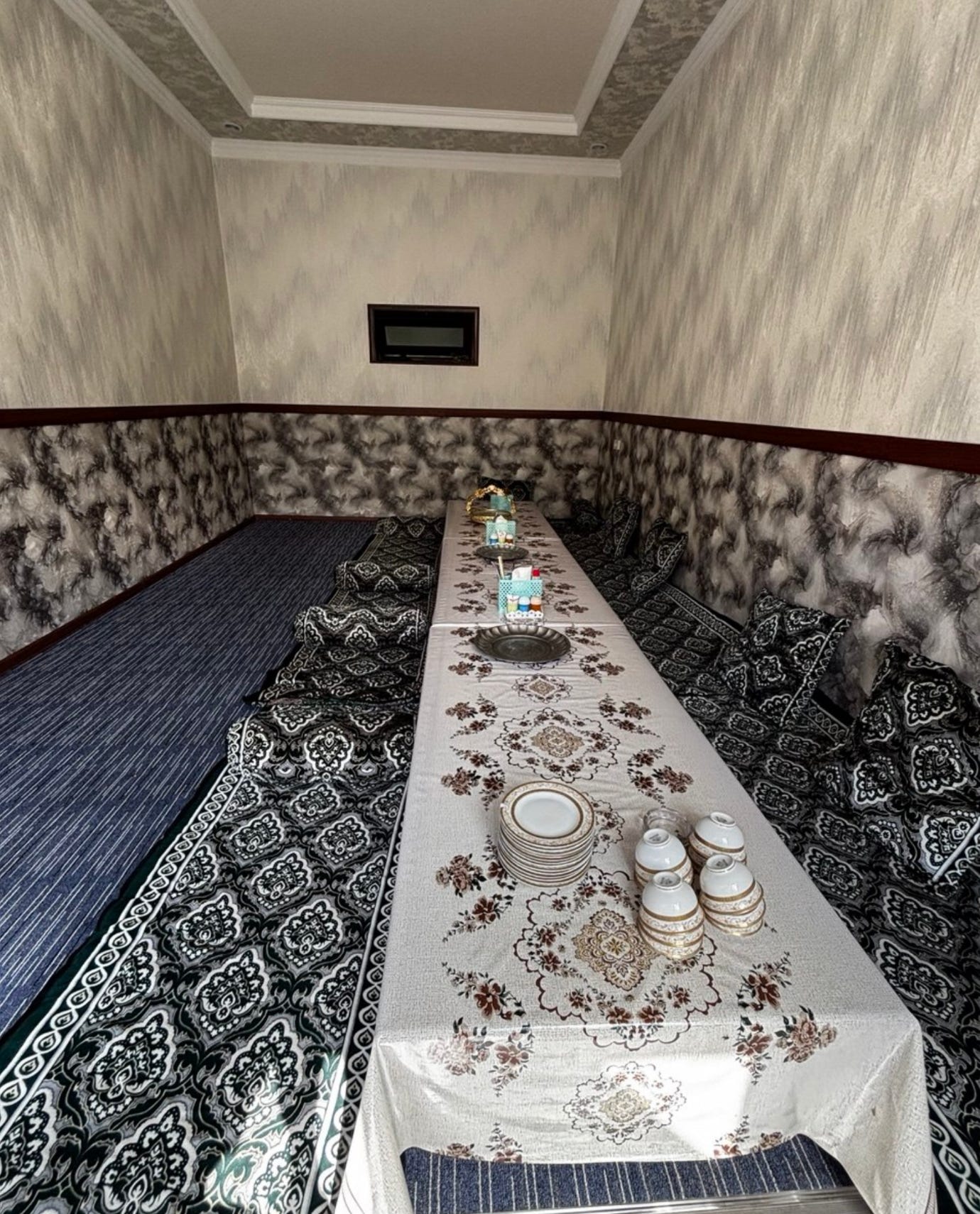
I grew up in a remote village here in Uzbekistan. The other day I invited my male classmates for a lunch. Thirteen men. We attended the same class from primary school until graduation. All of them stayed. My path took me to Europe.
I hadn’t seen most of them in over ten years.
My memories failed me. They are exactly the same characters they were at school. But life took its toll on them. All of them looked different.
Here is what I observed:
Some of them “have made it” by local standards. Some of them still struggling. I could observe almost zero relationship between school smartness and “having made it”.
Those who are over 100kg are either office workers or entrepreneurs.
Those with fit bodies by Western standards don't earn much. Their livelihood depends on their physical labour. I am certain that they haven’t thought about training, nor do they need it.
It was obvious that all of them were living for their kids, trying to build a better future for them. Which is universal.
After high school (when I met some of them last time), most of them used to gamble, drink and smoke. I think gambling and drinking just was a part of being young and now they have grown out of it.
Many of them have become religious. And they seemed to be and were at peace. Religion was definitely a factor.
Only three out of thirteen were employed by traditional standards. The rest were self-employed. Phones of those three were constantly ringing.
One of them is an unbelievably good storyteller. The kind where the whole table goes silent. If he knew English, he would build an audience faster than most creators I follow online.
Another one has natural risk assessment I have only seen in professional investors. He weighs odds, spots downside, prices uncertainty - instinctively. He has never heard of a stock market.
Another one has judgment at the level of an elite gambler. Not reckless. Calculated. He reads situations, times his moves, knows when to fold.He would do very well if he shorted stocks.
Another one is so good at resolving conflict he held the whole group together for twenty years without trying. He would be exceptional in diplomacy at any level.
I looked at these men and here is what I think.
They are more naturally talented than most professionals I have met in Europe. The difference is not ability. It is geography, language, exposure.
Nobody has ever assessed their strengths, coached them, or put them in a room where their abilities would be obvious. They mapped their talent to survival, not opportunity.
I used to believe my path was mostly about decisions I made. Sitting at that table, I am not sure anymore. I made one decision they didn’t. I just left. Everything followed from that.
I don’t say this to feel sorry either for them or me.
They are happy. In fact, very happy. Happy to the extent they would gladly accept death if it came today.
The most talented people I know will never have a Linkedin profile.
Gordo Byrn, you asked me to make commitment to meet old friends. I am glad I listened. Thank you for the lesson.
Scale this by millions and you can see how open societies (see Popper) unleash huge amounts of talent to benefit the world, and our children.
A wonderful read.
This is a beautiful piece of perception. You left and were shaped by the leaving; they stayed and were shaped by the staying. You read the room at that lunch table the way a poet reads people’s hearts and journeys. I bet you easily diagnose Wilson’s disease at 10 m, argyria at 40, but more importantly, a golden soul at any distance